Tuscan white bean soup lands in the bowl with a broth that tastes deeper than the short ingredient list suggests. The beans soften just enough to turn creamy at the edges, the kale stays green and sturdy, and the pancetta gives the whole pot a salty, savory backbone. It eats like a full meal, especially with crusty bread for dunking, and it’s the kind of soup that tastes even better once the flavors have had a few minutes to settle together.
What makes this version work is the order of the cooking. The pancetta goes in first so the onion, celery, and garlic can cook in that flavored fat instead of plain oil. Then the tomatoes, rosemary, and parmesan rind build a broth that tastes layered, not thin. A quick mash of some of the beans at the end gives you body without cream, which keeps the soup hearty but still brothy.
Below, I’ve included the little details that matter most here: how to get the broth tasting rich, when to add the kale so it stays tender instead of dull, and the best way to adjust the soup if you want it meatless or even thicker.
The broth was rich and savory without being heavy, and mashing some of the beans at the end gave it the perfect texture. My husband kept going back for one more bowl, and the kale held up beautifully.
Save this Tuscan white bean soup for the nights when you want a hearty bowl with cannellini beans, kale, and a broth that tastes like it simmered all afternoon.
The Trick to a Brothy Bean Soup That Still Eats Like Dinner
The mistake with white bean soup is treating it like a thin vegetable soup and skipping the step that gives it body. Cannellini beans are mild and creamy, which is exactly why they work here, but they need help building a broth that feels substantial. That comes from two places: the rendered fat from the pancetta and the quick mash at the end. Without those, the soup tastes clean but flat.
The other thing that matters is not overcooking the kale. It only needs a few minutes in the hot soup, just long enough to soften and lose its raw edge. If you simmer it for too long, it turns drab and slippery, and the whole pot starts tasting tired instead of fresh. Keep the heat gentle once the beans are in, and the texture stays balanced.
What Each Ingredient Is Actually Doing in This Pot
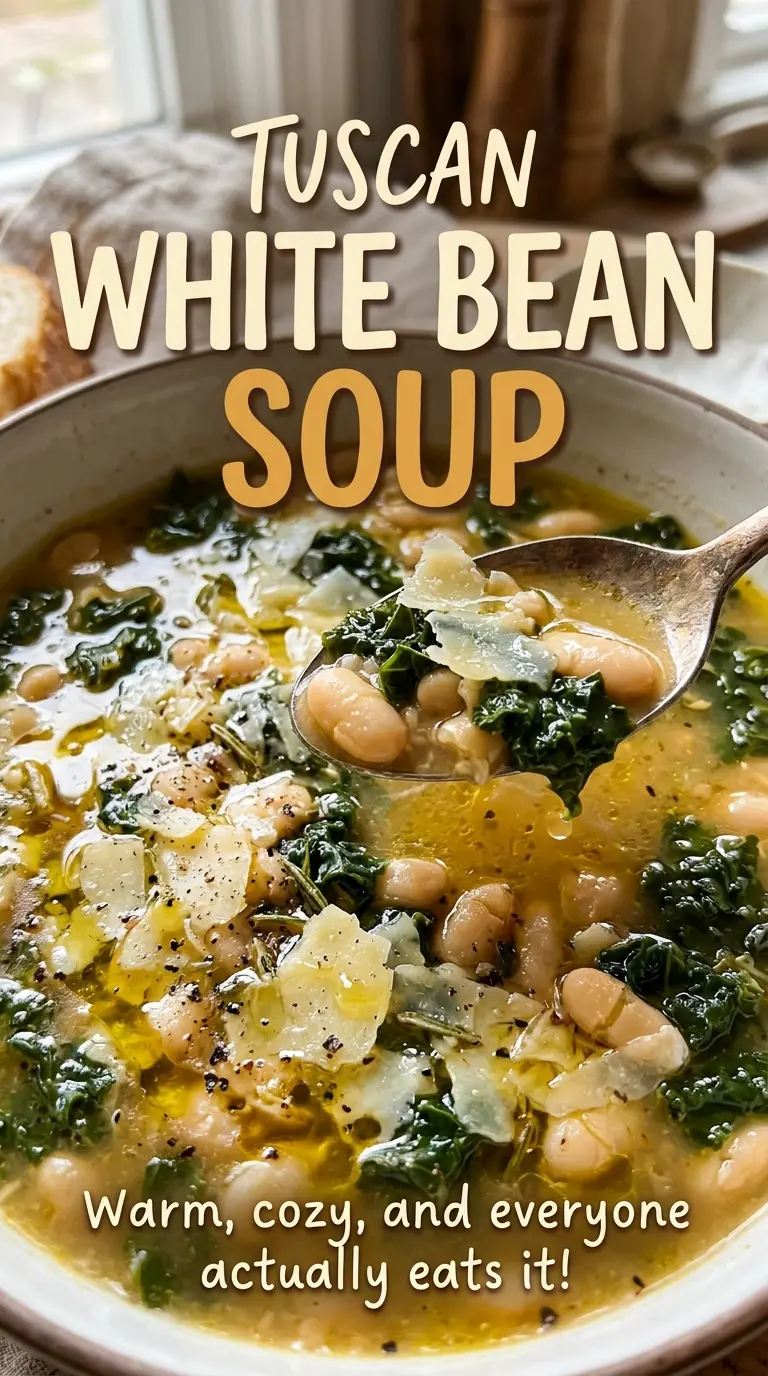
- Cannellini beans — These are the heart of the soup. They break down a little as they simmer, which gives you that creamy, starchy broth without needing cream. Great northern beans can work in a pinch, but cannellini have a softer, more buttery finish.
- Pancetta or bacon — This is where the savory depth starts. Pancetta gives a cleaner, more delicate saltiness, while bacon brings a smokier edge. If you use bacon, keep the rest of the seasoning conservative until the end so the soup doesn’t get too salty.
- Parmesan rind — This is optional, but it adds a round, nutty backbone that stock alone won’t give you. Drop it in while the soup simmers, then pull it out before serving. If you don’t have one, a little extra parmesan shavings at the table help, but they won’t flavor the broth the same way.
- Fresh rosemary — Rosemary gives the soup its Tuscan feel, but it needs to be restrained. Use sprigs, not a handful of chopped leaves, so the flavor stays woodsy instead of piney. Remove the sprigs before serving or they’ll keep releasing flavor and overpower the beans.
- Kale — Kale adds structure and a slight bitterness that keeps the soup from tasting heavy. Remove the stems so the leaves soften evenly. Curly kale or lacinato both work; lacinato wilts a little silkier, while curly kale stays more textured.
- Olive oil for serving — A final drizzle matters more than it sounds. It gives the soup a glossy finish and carries the rosemary and parmesan notes across the top of each bowl. Use a good one here if you have it, because this is the first flavor you taste.
The Part Where the Soup Builds Its Own Body
Crisping the Pancetta First
Start with a cold pan and let the pancetta cook until the fat renders and the pieces turn crisp at the edges. That rendered fat is the cooking base for the vegetables, so don’t pour it off unless there’s an excessive amount. If the pancetta is still pale and floppy, the soup will miss the deep, savory note that makes the broth taste finished.
Softening the Aromatics
Add the onion, celery, and garlic to the hot fat and cook them until the onion looks translucent and the garlic smells sweet, not sharp. This stage should smell like the start of a good soup, not like raw onion in a pan. If the garlic browns too fast, the heat is too high and it will turn bitter, so lower the burner and keep things moving.
Simmering the Beans into the Broth
Once the tomatoes, broth, rosemary, parmesan rind, and seasoning go in, bring the pot to a boil, then reduce it to a steady simmer. Add the beans and let them cook until they start to soften and some of them threaten to split. That’s the point where the broth starts thickening on its own. A hard boil here can rough up the beans and make the soup cloudy in the wrong way, so keep the simmer gentle.
Finishing with Kale and Texture
Pull out the rosemary and parmesan rind, then mash about a third of the beans against the side of the pot. This is the move that makes the soup feel hearty without turning it into puree. Stir in the kale last and cook just until it wilts and turns bright green at the edges. Taste before serving, then season with salt and pepper and finish with olive oil, parmesan, and the crispy pancetta.
Three Good Ways to Adapt This Soup Without Losing What Makes It Work
Make It Meatless Without Making It Flat
Skip the pancetta and use olive oil to sauté the vegetables, then lean on the parmesan rind and a generous finish of olive oil for richness. The soup will be lighter, but it still works if you give the onions a full 5 to 7 minutes to soften and let the broth simmer long enough to pull flavor from the rosemary.
Make It Gluten-Free and Still Serve Bread on the Side
The soup itself is naturally gluten-free as written, so the only thing to watch is the bread you serve with it. If you want to keep the meal safe for gluten-free eaters, swap in certified gluten-free crusty bread or serve it with roasted potatoes on the side. The texture and flavor of the soup don’t need any changes.
Use Bacon When That’s What You Have
Bacon brings a smokier, slightly sweeter note than pancetta, which changes the soup in a good way if you like a stronger backbone. Cook it until crisp and use just enough of the fat to coat the vegetables, then taste carefully at the end because bacon usually seasons the pot more aggressively. The soup will read a little bolder and less delicate.
Storage and Reheating
- Refrigerator: Store in an airtight container for up to 4 days. The beans will continue to soften and the soup will thicken as it sits.
- Freezer: It freezes well for up to 3 months, though the kale softens a bit after thawing. Freeze in portions and leave a little room at the top of the container for expansion.
- Reheating: Rewarm gently on the stovetop over medium-low heat, adding a splash of broth or water if it has tightened up. Don’t boil it hard or the beans can break apart and the kale can turn muddy.
Answers to the Questions Worth Asking
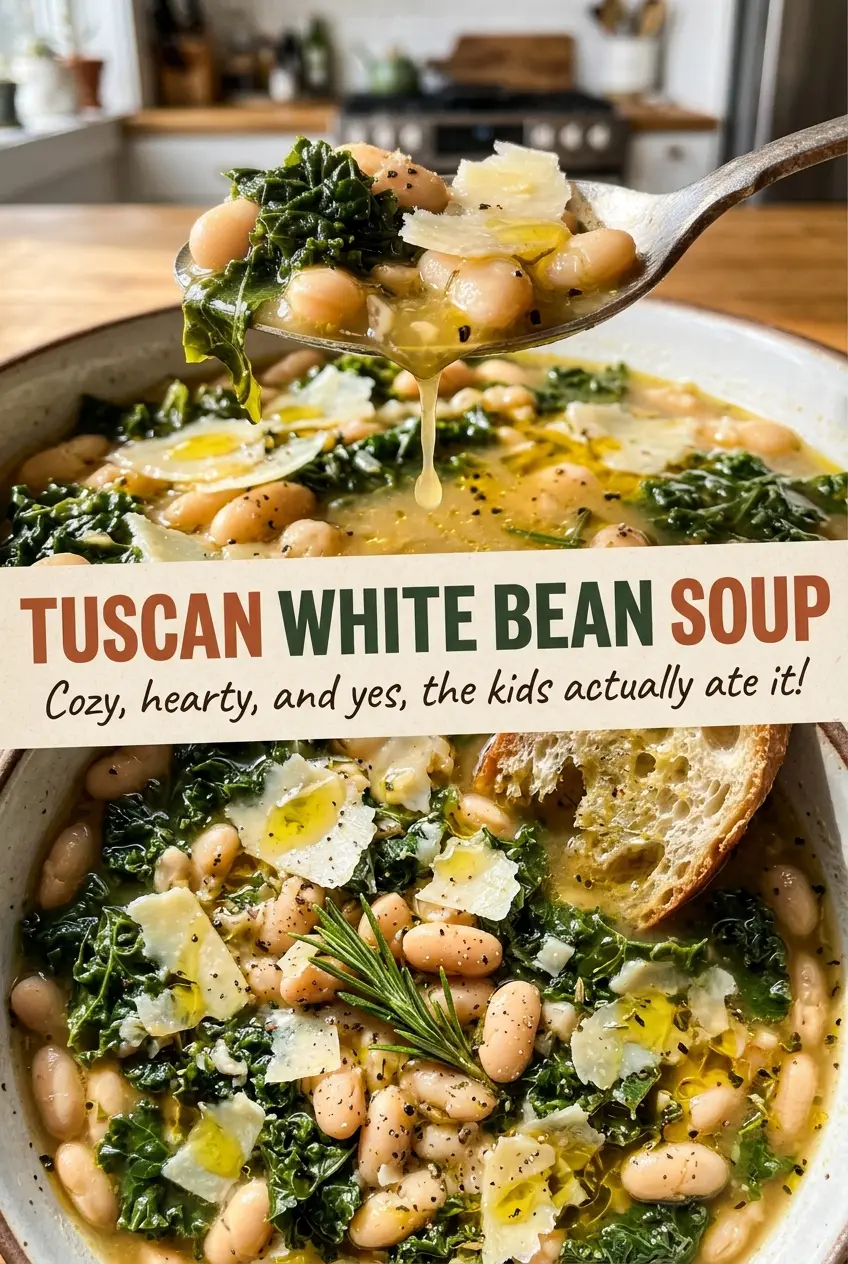
Tuscan White Bean Soup
Ingredients
Equipment
Method
- Heat a Dutch oven over medium heat and cook the diced pancetta until crispy, stirring occasionally, about 6 minutes; set the pancetta aside when done and keep the fat in the pot.
- Add the diced onion, diced celery, and minced garlic to the pancetta fat and sauté for 5 minutes, stirring until softened and fragrant and the vegetables look glossy.
- Stir in the diced tomatoes, chicken or vegetable broth, fresh rosemary sprigs, parmesan rind (if using), and Italian seasoning; bring everything to a boil over high heat, then reduce to maintain a steady simmer.
- Add the drained cannellini beans and simmer for 20 minutes until tender, with small bubbles consistently breaking the surface.
- Remove the rosemary sprigs and parmesan rind, then mash about a third of the beans in the pot to thicken, until the mixture looks slightly creamy and body thickens.
- Add the chopped kale and simmer for 5-8 minutes until wilted and dark green, with the leaves softened throughout.
- Season with salt and black pepper to taste, then drizzle with olive oil and top with parmesan shavings and the reserved pancetta.
- Serve the soup hot with crusty bread on the side so you can dip and scoop as you eat.