Silky coconut broth, tender chicken, and slippery rice noodles give Thai chicken noodle soup its comfort-food pull, but the real reason it earns repeat status is the balance. The curry paste brings heat and depth, the coconut milk rounds it out, and the lime at the end keeps the bowl bright instead of heavy. When it’s done right, every spoonful tastes layered, not muddy.
This version leans on a short simmer to build flavor before the chicken goes in, which keeps the broth clean and the chicken juicy. Bruised lemongrass and a little galangal or ginger add the kind of aromatic backbone that makes the soup taste like it cooked longer than it did. The noodles go in near the end so they stay tender instead of bloated.
Below, I’ve included the small timing details that matter most, plus a few smart swaps if you need to work with what’s already in the pantry. The goal is a broth that tastes balanced from the first sip, not a soup that needs rescuing at the table.
The broth was beautifully balanced and the noodles stayed springy instead of turning mushy. I loved that the lime and basil at the end made it taste fresh, not heavy.
Save this Thai Chicken Noodle Soup for the nights when you want a bright coconut-curry broth, tender chicken, and noodles that stay just right.
The Reason the Broth Stays Bright Instead of Getting Muddy
Thai chicken noodle soup can go flat fast when the aromatics are rushed or the curry paste never gets a chance to wake up. The difference here is that the paste cooks in oil first, before the liquid goes in. That step wakes up the dried spices and chili oils in the paste, and it gives the broth a deeper color and a rounder flavor without needing a long simmer.
The other mistake is adding everything at once and walking away. Coconut milk can taste thin if it never gets time to blend with the curry paste, and rice noodles turn soft fast if they sit in hot broth too long. Build the broth first, cook the chicken through, then add the noodles at the end so they keep their texture.
- Red curry paste — This is the backbone of the soup. Brands vary a lot in heat and salt, so taste yours if you know it runs spicy and start with a little less if needed.
- Coconut milk — Full-fat coconut milk gives the broth its body and mellow finish. Light coconut milk works in a pinch, but the soup will taste thinner and less silky.
- Fish sauce — This adds the salty, savory edge that makes the soup taste finished. There isn’t a perfect substitute, but soy sauce will cover the salt and a little umami if that’s what you have.
- Lemongrass and galangal — These aromatics are what make the soup taste unmistakably Thai rather than just creamy and spicy. If you can’t find galangal, fresh ginger is the right stand-in, and bruising the lemongrass before it goes in helps it release more flavor.
- Rice noodles — These are worth soaking before they hit the pot. Pre-softened noodles cook evenly and don’t soak up half the broth before the soup reaches the table.
What Each Ingredient Is Actually Doing in This Recipe
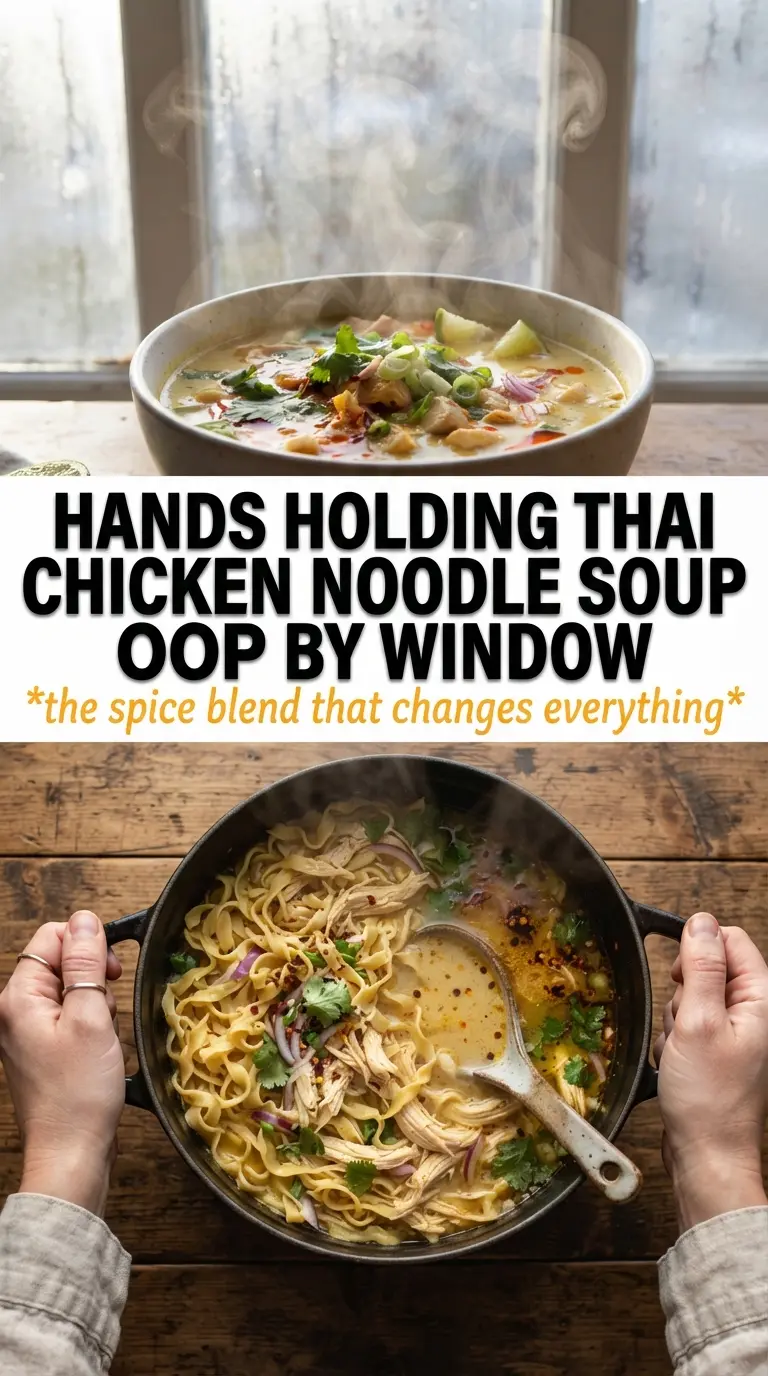
- Primary ingredient (the star) — Quality matters most. Choose the best you can find.
- Cooking medium (oil, butter, or broth) — This carries flavors and prevents dryness.
- Seasonings (salt, pepper, spices, herbs) — Layer flavors so nothing overpowers. Build depth gradually.
- Aromatics (garlic, onion, herbs) — Cook with fat to bloom flavors. Become the foundation.
- Supporting ingredients — Complement the main ingredient without overpowering it.
- Sauce or liquid (if applicable) — Brings flavors together. Balance richness with acid.
- Acid (lemon, vinegar, wine, or other) — Brightens and prevents flat-tasting results.
- Final finish (garnish, glaze, or sauce) — Prevents one-dimensional taste and adds visual appeal.
Building the Broth in the Right Order
Waking Up the Curry Paste
Start by heating the oil, then cook the red curry paste until it smells fragrant and the color deepens a shade. You’re looking for the paste to loosen and darken slightly, not scorch. If the heat is too high, the spices turn bitter and the soup loses its clean coconut finish.
Letting the Aromatics Bloom
Add the garlic, bruised lemongrass, and galangal or ginger and cook just until the kitchen smells sharp and fragrant. This only takes about a minute. If the garlic starts to brown, pull the pot off the heat for a moment, because burnt garlic will dominate the whole bowl.
Simmering the Base Before the Chicken Goes In
Pour in the coconut milk and broth, then add the fish sauce, lime juice, and brown sugar. Let it simmer so the flavors meld before the chicken goes in. That short simmer is what keeps the broth from tasting like separate ingredients dumped into the same pot.
Finishing With Noodles and Herbs
Add the sliced chicken and cook just until it’s no longer pink through the center. Remove the lemongrass and galangal pieces before the noodles go in, because no one wants to bite into either one. Add the drained noodles last and heat them just until tender, then serve right away with the herbs, sprouts, lime, and chili on top.
Three Smart Ways to Make This Soup Fit Your Kitchen
Dairy-Free Already? You’re Set
This soup is naturally dairy-free as written, which is part of why the coconut milk matters so much. Don’t swap it for a low-fat milk or broth alone, because you’ll lose the creamy body that makes the curry base feel complete.
Make It Gluten-Free Without Losing Texture
Rice noodles are naturally gluten-free, so this is already an easy fit. Just check your curry paste and fish sauce label, since a few brands sneak in wheat-based fillers or soy sauce. The soup itself doesn’t need any flour or thickener.
Turn It Into a Vegetable-Forward Bowl
Leave out the chicken and add sliced mushrooms, baby spinach, or thinly sliced bell peppers near the end. Mushrooms give the broth a savory edge, while spinach softens in seconds. The soup will be lighter, but the curry-coconut base still carries the bowl.
Storage and Reheating
- Refrigerator: Store for up to 4 days. The noodles will continue to absorb broth, so the soup gets thicker by day two.
- Freezer: Freeze the broth and chicken without the noodles for best texture. Rice noodles turn soft and grainy after thawing, so cook fresh noodles when you reheat.
- Reheating: Warm the soup gently over medium-low heat until steaming, then add a splash of broth or water if it has thickened. Don’t boil it hard, or the chicken tightens and the coconut milk can separate a bit.
Answers to the Questions Worth Asking
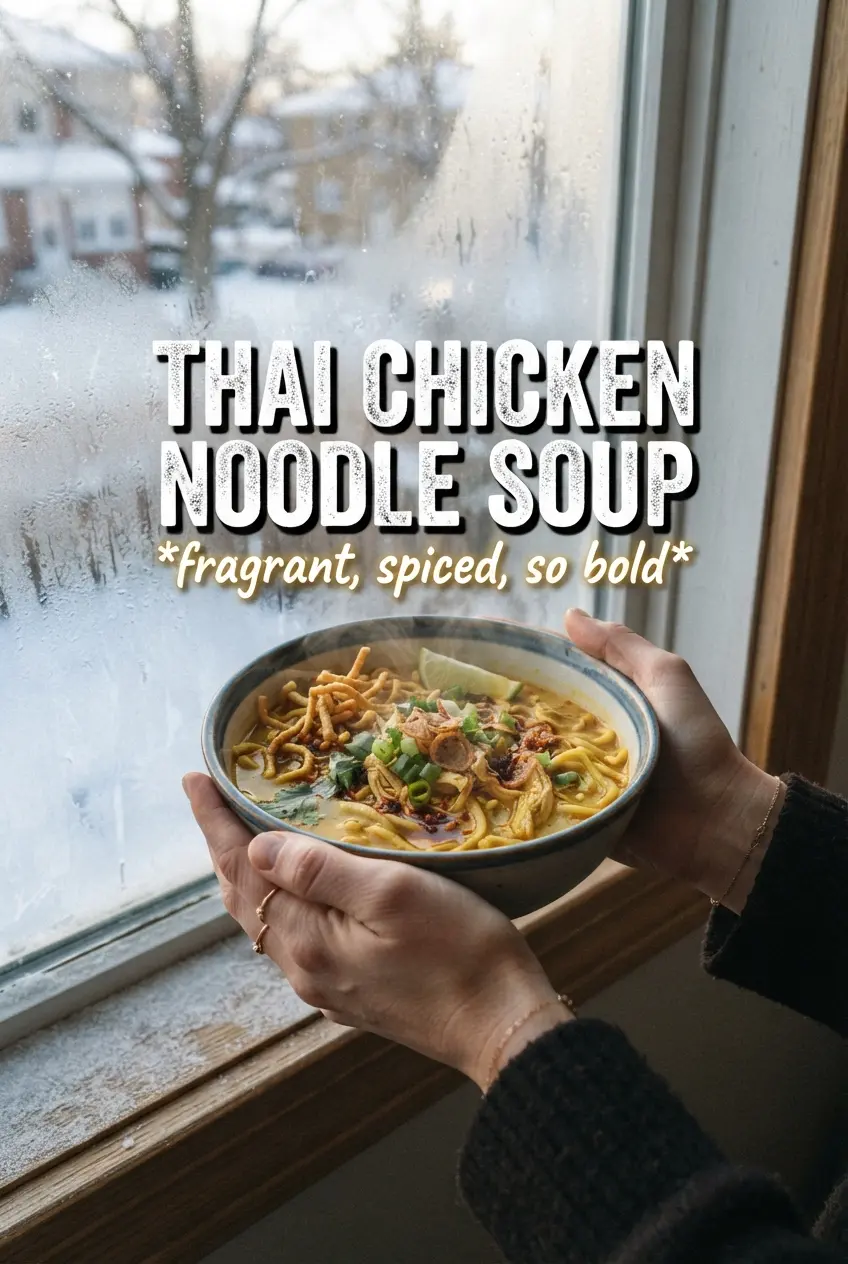
Thai Chicken Noodle Soup
Ingredients
Equipment
Method
- Soak the rice noodles in warm water for 15 minutes, then drain and set aside. Keep them flexible so they reheat quickly without turning mushy.
- Heat 1 tablespoon oil in a large pot over medium heat. Add the red curry paste and cook 1-2 minutes until fragrant, stirring so it doesn’t scorch.
- Add the minced garlic, bruised lemongrass, and galangal (or ginger) and cook for 1 minute. You should see a noticeable aroma as the aromatics soften.
- Pour in the coconut milk and chicken broth, then stir in fish sauce, lime juice, and brown sugar. Scrape the bottom so all the curry paste dissolves into the broth.
- Simmer the broth for 10 minutes. The liquid should look gently bubbling around the edges.
- Add the thinly sliced chicken to the simmering broth and cook for 8-10 minutes until cooked through. The chicken should turn opaque throughout.
- Remove the lemongrass and galangal (or ginger) from the pot. Taste and adjust to ensure the broth is balanced before the noodles go in.
- Add the drained rice noodles and heat through for 2-3 minutes. The noodles should be tender and glossy, not collapsed.
- Ladle the soup into bowls and top with bean sprouts, sliced green onions, Thai basil, cilantro, lime wedges, and sliced red chili. Serve immediately while the broth is hot.