Deep, buttery broth and wide egg noodles are what make this chicken noodle soup worth coming back to. The whole chicken simmers right in the pot, which gives you a richer, more savory broth than broth alone ever will, and the extra butter at the end rounds everything out into something that tastes homemade in the best possible way. The carrots stay sweet, the celery softens without disappearing, and the chicken shreds into tender pieces that hold their shape instead of turning stringy.
The part that matters most is patience at the start. Simmering the chicken with onion, garlic, bay leaves, and peppercorns builds a broth that tastes full and layered before the noodles even go in. Adding the butter after the broth is strained gives the soup that farmhouse-style richness without making it greasy, and cooking the noodles separately in the finished broth keeps them from falling apart before dinner.
Below, I’ve included the little timing details that keep the noodles from going mushy, plus a few ways to adapt the soup if you want to stretch it, lighten it up, or make it ahead.
The broth came out so rich and the noodles stayed firm even after reheating the next day. I added extra salt at the end like you suggested and it tasted like real comfort food, not bland chicken soup.
Save this Pioneer Woman chicken noodle soup for the nights when you want a buttery broth, tender chicken, and noodles that still have bite.
The Broth Gets Its Body From the Chicken, Not Just the Noodles
Most chicken noodle soups taste thin because the pot starts with boxed broth and ends with overcooked noodles. This version flips that. The whole chicken simmers in water with aromatics, so the broth picks up flavor from the bones, skin, and meat all at once. That gives you a fuller soup before you even add the butter.
The other mistake is rushing the finish. If you boil the noodles hard, they swell and go soft before the soup reaches the table. A gentle simmer keeps the noodles intact and lets the broth stay clear enough to look inviting in the bowl. The butter goes in after straining, not at the start, because it smooths the broth without muddying it.
- Whole chicken — This is the backbone of the soup. The bones give the broth structure, and the meat shreds into tender pieces that taste like they’ve actually been cooked in the soup, not added as an afterthought. If you use boneless chicken instead, the broth will be lighter and less layered.
- Butter — Four tablespoons may sound like a lot, but it gives the broth that rich, soft finish people notice immediately. Add it after the broth is strained so it melts evenly. If you skip it, the soup still works, but it loses that Pioneer Woman-style roundness.
- Wide egg noodles — These hold up better than thin pasta and soak up broth without turning to mush in minutes. If you swap in another noodle, cook it a little shy of done because it’ll keep softening in the hot soup.
- Fresh parsley — Stirring it in at the end wakes up the whole pot. Dried parsley won’t give you the same fresh finish, so save the dried version for another soup.
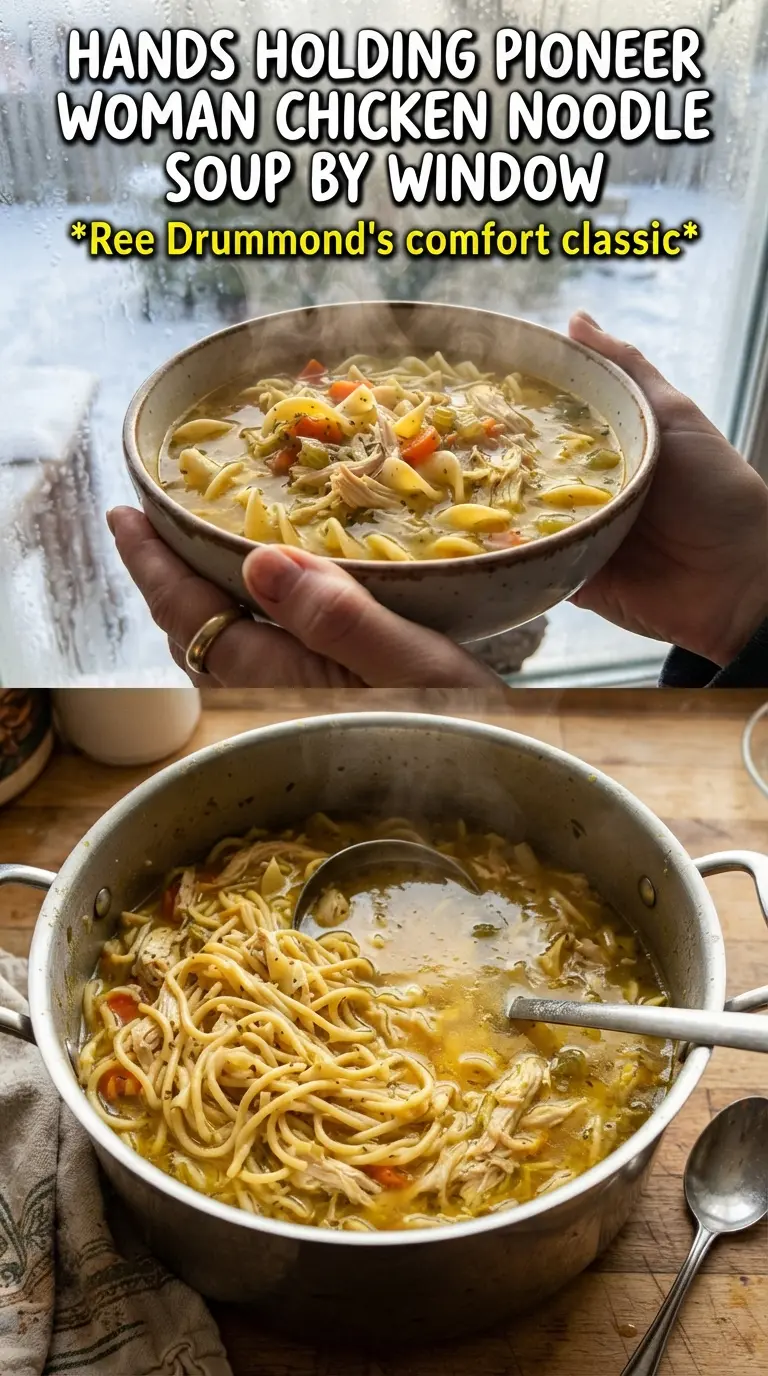
What Each Ingredient Is Actually Doing in This Recipe
- Primary ingredient (the star) — Quality matters most. Choose the best you can find.
- Cooking medium (oil, butter, or broth) — This carries flavors and prevents dryness.
- Seasonings (salt, pepper, spices, herbs) — Layer flavors so nothing overpowers. Build depth gradually.
- Aromatics (garlic, onion, herbs) — Cook with fat to bloom flavors. Become the foundation.
- Supporting ingredients — Complement the main ingredient without overpowering it.
- Sauce or liquid (if applicable) — Brings flavors together. Balance richness with acid.
- Acid (lemon, vinegar, wine, or other) — Brightens and prevents flat-tasting results.
- Final finish (garnish, glaze, or sauce) — Prevents one-dimensional taste and adds visual appeal.
Building the Soup in the Right Order
Starting the Pot Cold and Bringing It Up Slowly
Put the chicken, water, onion, two carrots, two celery stalks, garlic, bay leaves, and peppercorns in the pot together, then bring everything up to a boil. Starting cold gives the chicken time to release flavor into the water instead of tightening up all at once. Once it boils, skim the foam off the top so the broth stays clean instead of cloudy and bitter.
Simmering Until the Chicken Falls Apart
Drop the heat and let the pot simmer for about an hour, just until the chicken is very tender. You want small lazy bubbles, not a hard boil. If the liquid is jumping around, the chicken can dry out on the outside before the broth gets enough time to develop.
Straining, Shredding, and Rebuilding the Broth
Remove the chicken and strain the broth before anything else goes back in. That one move gives you a cleaner soup and lets you reset the flavor before adding the vegetables and noodles. Stir in the butter while the broth is hot, then add the remaining carrots and celery and cook them until they’re tender but still hold some shape.
Adding the Noodles at the Finish
The noodles only need 6 to 8 minutes, so don’t add them until the vegetables are nearly done. If they sit in the pot too long, they’ll absorb too much broth and turn soft fast. Return the shredded chicken at the end, stir in the parsley, and season generously with salt and pepper until the broth tastes alive rather than flat.
How to Adapt This Soup Without Losing What Makes It Good
Gluten-Free with the Same Comforting Broth
Swap the egg noodles for a sturdy gluten-free pasta and cook it separately if possible. Gluten-free noodles can go from firm to fragile fast, and cooking them in the broth can make the soup cloudy. If you want the cleanest texture, add the cooked noodles to each bowl and ladle the soup over the top.
Dairy-Free Version That Still Tastes Full
Leave out the butter and finish with a splash of olive oil instead. You won’t get the same round, buttery finish, but the broth will still taste clean and savory. If you want more body, simmer the broth a few minutes longer before adding the vegetables so it tightens up a little naturally.
Using Rotisserie Chicken Instead
If you’re short on time, use shredded rotisserie chicken and good-quality broth, then simmer the carrots and celery until tender before adding the chicken and noodles. The soup will be faster, but it won’t have the same deep homemade backbone that comes from simmering a whole chicken from the start. A little extra butter helps bridge that gap.
Storage and Reheating
- Refrigerator: 4 days. The noodles will keep soaking up broth, so expect the soup to thicken as it sits.
- Freezer: It freezes well if you leave out the noodles and add them fresh after reheating. Frozen noodles turn soft and bloated, which changes the whole soup.
- Reheating: Warm it gently over medium-low heat until steaming, not boiling. Hard boiling breaks the noodles and makes the chicken dry at the edges.
The Questions People Ask Before They Make This Soup
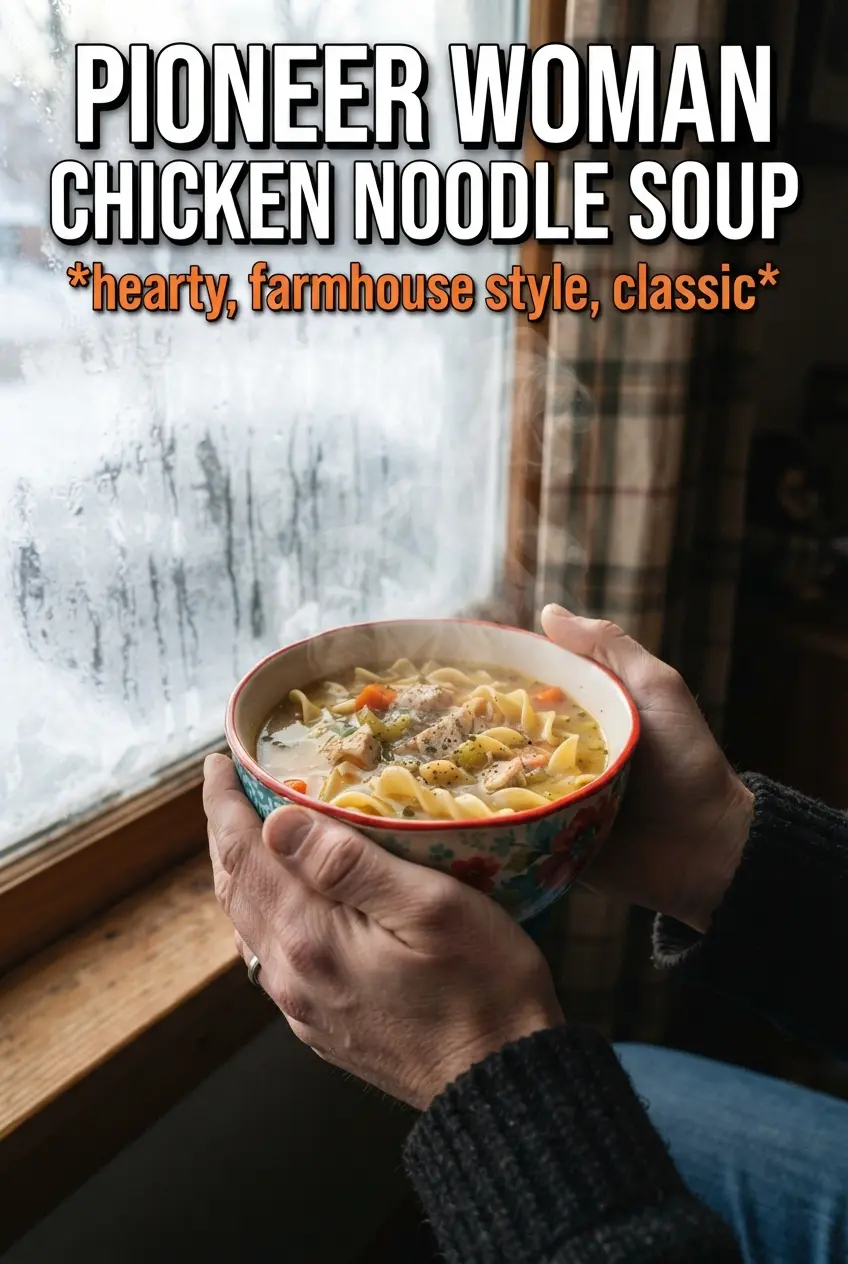
Pioneer Woman Chicken Noodle Soup
Ingredients
Equipment
Method
- Place the whole chicken in a large pot with the water, onion, 2 carrots, 2 celery stalks, garlic, bay leaves, and black peppercorns. Bring to a boil over high heat, then immediately get ready to lower the heat for simmering.
- Skim off foam from the surface, then reduce heat to maintain a gentle simmer. Simmer for 1 hour until the chicken is very tender.
- Remove the chicken from the pot and strain the broth through a fine strainer, reserving the strained broth. Shred all chicken meat into bite-size pieces.
- Return the broth to the pot and add the unsalted butter, then bring back to a simmer. Add the remaining sliced carrots and celery and cook for 10 minutes until tender.
- Add the wide egg noodles to the pot and cook for 6–8 minutes until tender. Stir occasionally so the noodles cook evenly.
- Return the shredded chicken to the pot and stir in the fresh parsley. Season very generously with salt and pepper and serve hot.