Roasted vegetables earn their place on the table when the edges turn deep gold and the centers stay tender instead of limp. Broccoli gets crisp at the tips, carrots turn sweet, and the onion softens into little browned ribbons that taste far richer than the raw ingredients suggest. This version keeps the seasoning simple, so the vegetables stay front and center and the whole pan works alongside almost any main dish.
The difference between roasted vegetables that caramelize and vegetables that steam comes down to crowding and moisture. A hot oven helps, but the real work happens when you spread everything out in a single layer and give the vegetables enough space for the steam to escape. Olive oil carries the seasoning and helps the edges brown, while garlic powder and Italian seasoning add enough background flavor that you don’t need a heavy sauce.
Below, you’ll find the one thing that matters most for getting browning instead of soft spots, plus a few ways to adapt the pan when you’re working with what you have on hand.
The broccoli tips got crispy, the carrots were sweet, and the onions browned instead of burning. I used two sheet pans like you said and everything roasted evenly in 25 minutes.
Oven roasted vegetables with caramelized edges are the kind of side dish that disappears first — pin this pan of colorful roasted broccoli, carrots, peppers, and zucchini for easy dinners.
The Real Reason Roasted Vegetables Go Soft Instead of Brown
The most common mistake with roasted vegetables is packing too much onto one pan. When the vegetables sit on top of each other, they trap steam, and steam keeps the surface wet long enough to prevent browning. You end up with vegetables that taste cooked but never develop those crisp, caramelized edges people actually want.
The second issue is cutting everything to wildly different sizes. Broccoli florets, carrot halves, pepper strips, zucchini, and onion all roast at slightly different rates, so the goal isn’t identical pieces; it’s roughly similar thicknesses where it matters. The carrots need to be halved lengthwise so they cook through before the broccoli starts to dry out, and the zucchini needs to be cut thick enough that it doesn’t collapse into mush.
- Use a large sheet pan, not a crowded casserole dish.
- Roast at 425°F so the vegetables brown before they go limp.
- Stir once halfway through, then leave them alone so the edges can deepen.
- If the pan looks packed after tossing, split everything between two pans.
What Each Vegetable Is Doing in the Pan
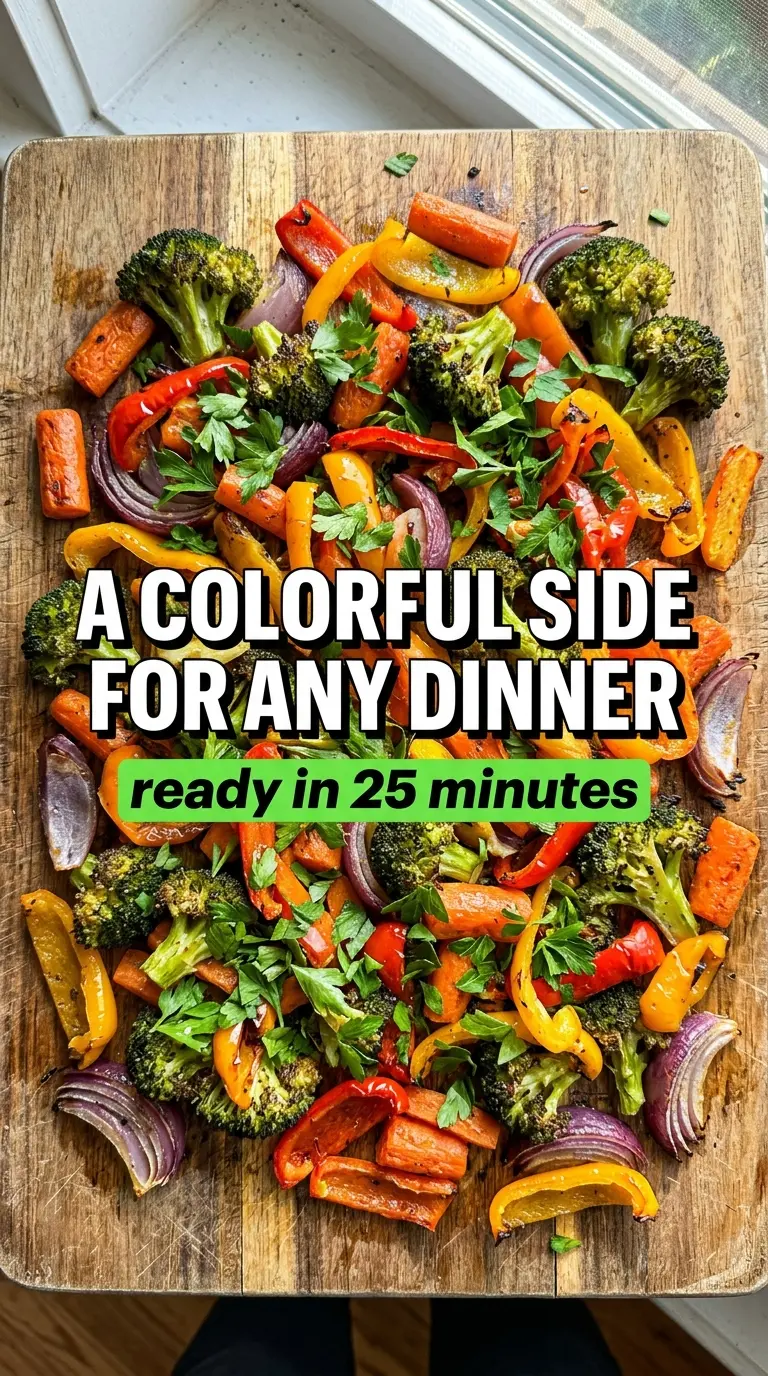
- Broccoli florets — These get the best char in the oven and bring the most texture. Smaller florets brown faster, while large heads can stay pale in the middle, so cut them into bite-size pieces with some flat surfaces exposed.
- Baby carrots — Carrots add sweetness and hold up well to high heat. Halving them lengthwise exposes more surface area, which helps them roast instead of just soften.
- Red bell pepper — Bell pepper adds a juicy, slightly sweet note that balances the earthy vegetables. Thicker strips hold their shape better and give you a little blistering at the edges.
- Zucchini — Zucchini is the most delicate vegetable in the pan, so it needs enough oil and enough space to roast, not steam. Cut it into half-moons that are thick enough to stay intact.
- Red onion — Onion turns sweet and jammy when it hits high heat. Slice it from pole to pole rather than into tiny slivers so it doesn’t disappear before the rest of the pan is done.
- Olive oil — This isn’t just for coating. It helps the seasoning stick and gives the vegetables the heat-transfer they need to brown. Use a good everyday olive oil here; you don’t need your nicest bottle.
How to Get Browning on the Vegetables Instead of a Puddle
Coat Every Surface, Then Stop
Toss the vegetables with the oil and seasonings until everything looks lightly slicked, not drenched. Too much oil pools on the pan and can leave the vegetables greasy instead of roasted. A large bowl helps you get even coverage without crushing the softer pieces like zucchini and pepper.
Spread Them Out Like You Mean It
Dump the vegetables onto the sheet pan and move them around until they sit in a single layer. If pieces overlap, the overlapping spots stay pale and soft. Two pans are better than one crowded pan every time, especially if you’re cooking a full batch.
Roast Until the Edges Deepen
After about 20 minutes, the vegetables should be tender and starting to brown at the edges. Stir them once so the underside can catch some heat, then return them to the oven until the carrots are fork-tender and the broccoli has crisp tips. If the broccoli starts to darken before the carrots are done, pull the broccoli pieces off the pan and let the carrots go a few more minutes.
Finish With Fresh Parsley
Chopped parsley goes on after roasting, not before. Heat dulls its color and can flatten the fresh note that wakes up the whole pan. A small handful is enough to make the vegetables look finished and taste brighter.
Three Useful Ways to Change the Pan Without Losing the Texture
Make It Dairy-Free and Naturally Vegan
This pan already fits a dairy-free and vegan table as written. The only thing to watch is the seasoning blend if you’re using a store-bought Italian seasoning that includes cheese or hidden fillers, which is uncommon but worth checking. The finished vegetables still taste full and balanced without any extra add-ins.
Use What You Have in the Crisper Drawer
Cauliflower, Brussels sprouts, green beans, or asparagus all work here, but they don’t roast at the same speed. Hard vegetables like cauliflower and Brussels sprouts can go in with the carrots, while quicker vegetables like asparagus should be added for the last 10 minutes so they don’t collapse. The trick is keeping the pan balanced between sturdy and tender pieces.
Add More Volume for a Bigger Dinner
You can stretch the recipe by adding extra broccoli and carrots without changing the seasoning much. If you double the vegetables, don’t just double the amount on one pan; use two sheet pans so the vegetables still roast instead of steam. More surface area means more browning, which is the whole point of the dish.
Storage and Reheating
- Refrigerator: Store leftovers in an airtight container for up to 4 days. The vegetables soften a little as they sit, especially the zucchini, but they still reheat well.
- Freezer: Freezing isn’t ideal here because the vegetables lose their roasted texture and turn soft when thawed. If you do freeze them, expect a much looser result and use them in soups or grain bowls rather than as a side.
- Reheating: Reheat on a sheet pan in a 400°F oven for 8 to 10 minutes or in a hot skillet until the edges wake back up. The mistake people make is using the microwave, which steams the vegetables and erases the caramelized spots.
Answers to the Questions Worth Asking
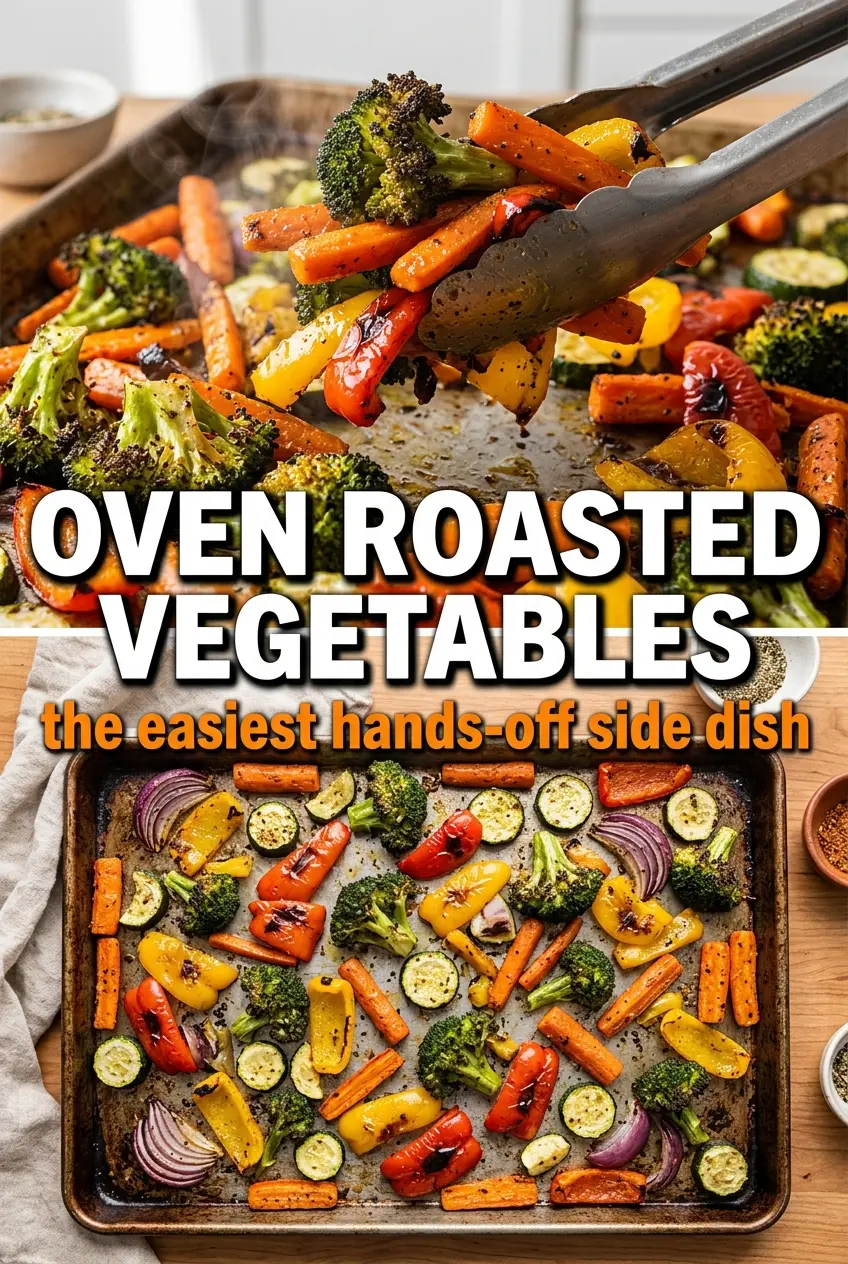
Oven Roasted Vegetables
Ingredients
Equipment
Method
- Preheat the oven to 425°F and line a large sheet pan with parchment paper.
- Toss all the vegetables with the olive oil, garlic powder, Italian seasoning, salt, and black pepper until evenly coated.
- Spread the vegetables in a single layer on the sheet pan, avoiding overcrowding (use two pans if needed) for even caramelization.
- Roast for 20–25 minutes, stirring halfway through, until tender and caramelized at the edges.
- Sprinkle with fresh parsley before serving.
- Store leftovers in an airtight container in the fridge for up to 4 days.