Golden broth, tender chicken, and noodles that hold their shape without turning the whole pot cloudy — that’s what makes a good gluten-free chicken noodle soup worth keeping on repeat. This version tastes close to the classic bowl people remember, but it skips the gluten without asking you to settle for a gummy texture or a weak broth.
The trick is using certified gluten-free broth and adding the noodles at the end, after the chicken has already finished cooking and been shredded. Gluten-free pasta can go from perfect to bloated fast, especially rice-based noodles, so the soup stays cleaner and the texture stays closer to what you want in the bowl. A little thyme, parsley, and garlic give it that familiar chicken soup backbone without making it taste heavy.
Below, I’ll walk through the one step that matters most if you want the noodles to stay intact, plus a few swaps that still keep the soup tasting like real chicken noodle soup.
The noodles stayed separate instead of turning mushy, and the broth had that classic chicken soup taste my kids expected. I added the pasta at the very end like you suggested and it held up perfectly for leftovers the next day.
Save this gluten-free chicken noodle soup for the nights when you want a comforting bowl with broth that stays clear and noodles that don’t fall apart.
The Noodle Timing That Keeps This Soup Brothy, Not Starchy
The biggest mistake with gluten-free chicken noodle soup is cooking the pasta in the pot too early. Gluten-free noodles keep absorbing liquid as they sit, and some brands shed starch fast enough to turn the broth cloudy and thick. That’s fine if you want a stew-like soup, but it’s not what most people are after here.
Cook the chicken in the broth first, then shred it before the noodles go in. That gives the broth time to pick up flavor from the chicken and vegetables before the pasta changes the texture. If you’re using brown rice pasta, check it a minute or two before the package says it’s done — it goes from tender to soft quickly.
- Chicken breast — Boneless chicken breast keeps the broth clean and gives you easy shredding. If you use thighs, the soup gets richer and a little more forgiving, but the flavor will be deeper and less classic.
- Certified gluten-free chicken broth — This matters more than people think. Regular broth can contain hidden gluten from flavorings or additives, so certified GF broth keeps the soup safe without changing the method.
- Gluten-free pasta — Brown rice rotini, GF egg noodles, or rice noodles all work, but they behave differently. Rice noodles soften fastest, while brown rice pasta usually holds up better for leftovers. Add whichever you use at the end and stop cooking as soon as it’s tender.
- Carrots, celery, and onion — This trio is the backbone of the soup. Dice the onion small so it melts into the broth instead of staying sharp, and slice the vegetables evenly so they cook at the same pace.
What Each Ingredient Is Actually Doing in This Recipe
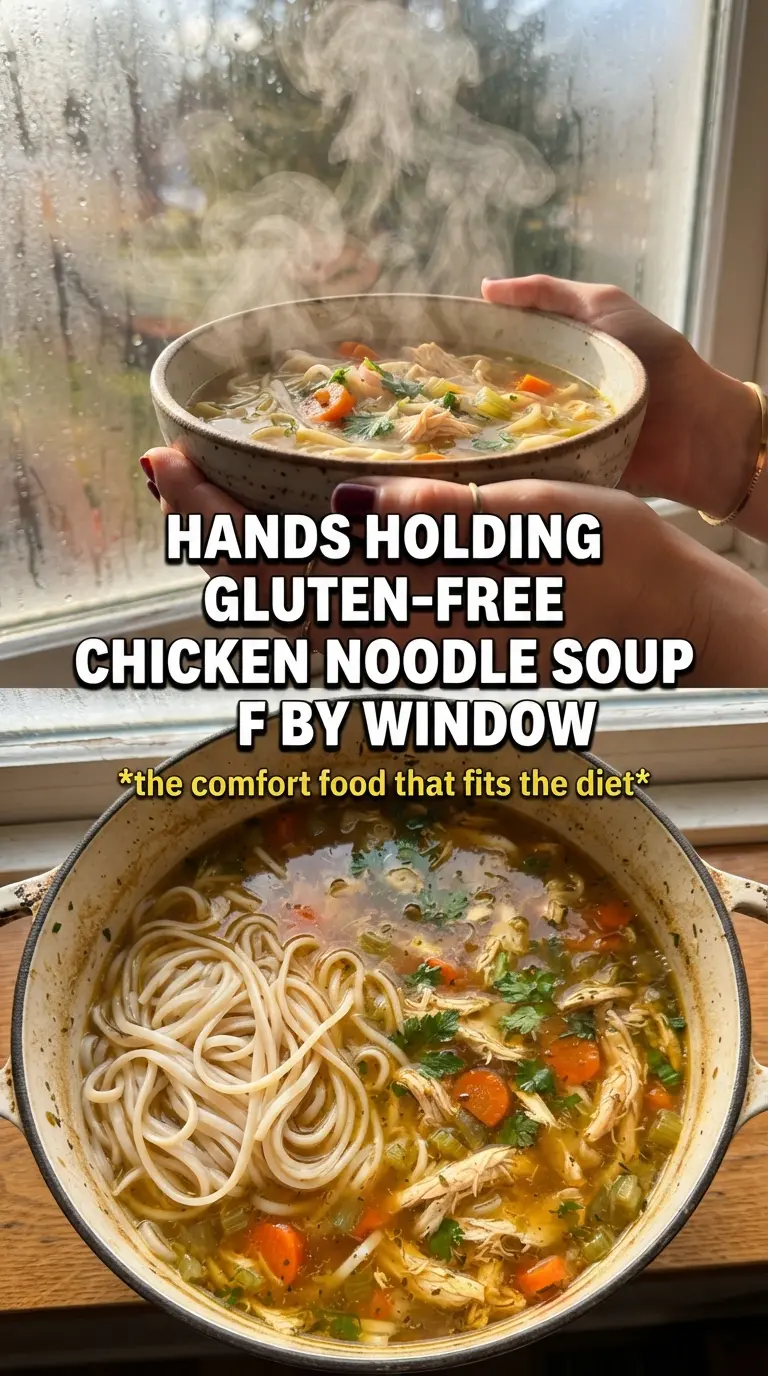
- Primary ingredient (the star) — Quality matters most. Choose the best you can find.
- Cooking medium (oil, butter, or broth) — This carries flavors and prevents dryness.
- Seasonings (salt, pepper, spices, herbs) — Layer flavors so nothing overpowers. Build depth gradually.
- Aromatics (garlic, onion, herbs) — Cook with fat to bloom flavors. Become the foundation.
- Supporting ingredients — Complement the main ingredient without overpowering it.
- Sauce or liquid (if applicable) — Brings flavors together. Balance richness with acid.
- Acid (lemon, vinegar, wine, or other) — Brightens and prevents flat-tasting results.
- Final finish (garnish, glaze, or sauce) — Prevents one-dimensional taste and adds visual appeal.
Building the Soup in the Right Order
Softening the Vegetables First
Start by heating the olive oil and cooking the onion, carrots, and celery until the onion turns translucent and the edges of the carrots start to look glossy. That first five minutes builds the base of the soup and keeps the vegetables from tasting raw. If the pan is too hot, the onion browns before the carrots soften, so keep the heat at medium and stir a few times.
Letting the Broth and Chicken Simmer Gently
Once the garlic, broth, thyme, parsley, garlic powder, and chicken go in, bring the pot to a boil and then reduce it to a steady simmer. You want small bubbles, not a hard rolling boil, so the chicken stays tender instead of turning stringy. After about 18 to 20 minutes, the chicken should register done and shred easily with two forks.
Adding the Noodles at the End
Pull the chicken out first, shred it, and return it to the pot before adding the gluten-free pasta. Cook the noodles only until they’re just tender, stirring often so they don’t clump together. If the soup looks thick as the noodles finish, that’s normal — the pasta will keep drinking liquid, so add a splash of broth if you want a looser bowl.
What to Change When You Need a Different Bowl
Dairy-Free and Naturally Gluten-Free as Written
This soup is already dairy-free, so there’s nothing extra to remove. The important part is using broth labeled certified gluten-free, because that’s where hidden gluten usually shows up. Keep the method the same and you’ll still get a clean, classic soup.
Swap in Chicken Thighs for a Richer Soup
Chicken thighs bring more flavor and stay juicy even if they simmer a little longer. The broth will taste richer and slightly deeper, which is nice if you want a heartier bowl. Just trim excess fat before cooking so the surface of the soup doesn’t turn greasy.
Use Rice Noodles for a Lighter Texture
Rice noodles give you a softer, lighter bowl and cook fast, which is helpful if you want dinner on the table quickly. The tradeoff is that they don’t hold up as well in leftovers, so they’re best if you plan to eat the soup the same day. Pull the pot off the heat as soon as they’re tender.
Make It with GF Egg Noodles for a More Classic Feel
GF egg noodles give the soup a texture that’s closest to old-school chicken noodle soup. They’re a good choice if you want a more familiar bite and a little more chew than rice noodles. Watch them closely, because once they’re done they can overcook fast in hot broth.
Storage and Reheating
- Refrigerator: Store in an airtight container for up to 4 days. The noodles will continue to soften, so the soup gets thicker by day two.
- Freezer: The broth and chicken freeze well, but the noodles soften too much after thawing. For best results, freeze the soup without the pasta and add fresh noodles when you reheat it.
- Reheating: Warm it gently on the stove over medium-low heat until steaming. If the soup thickened in the fridge, add a splash of broth before reheating so the noodles don’t tighten up and turn mushy.
Answers to the Questions Worth Asking
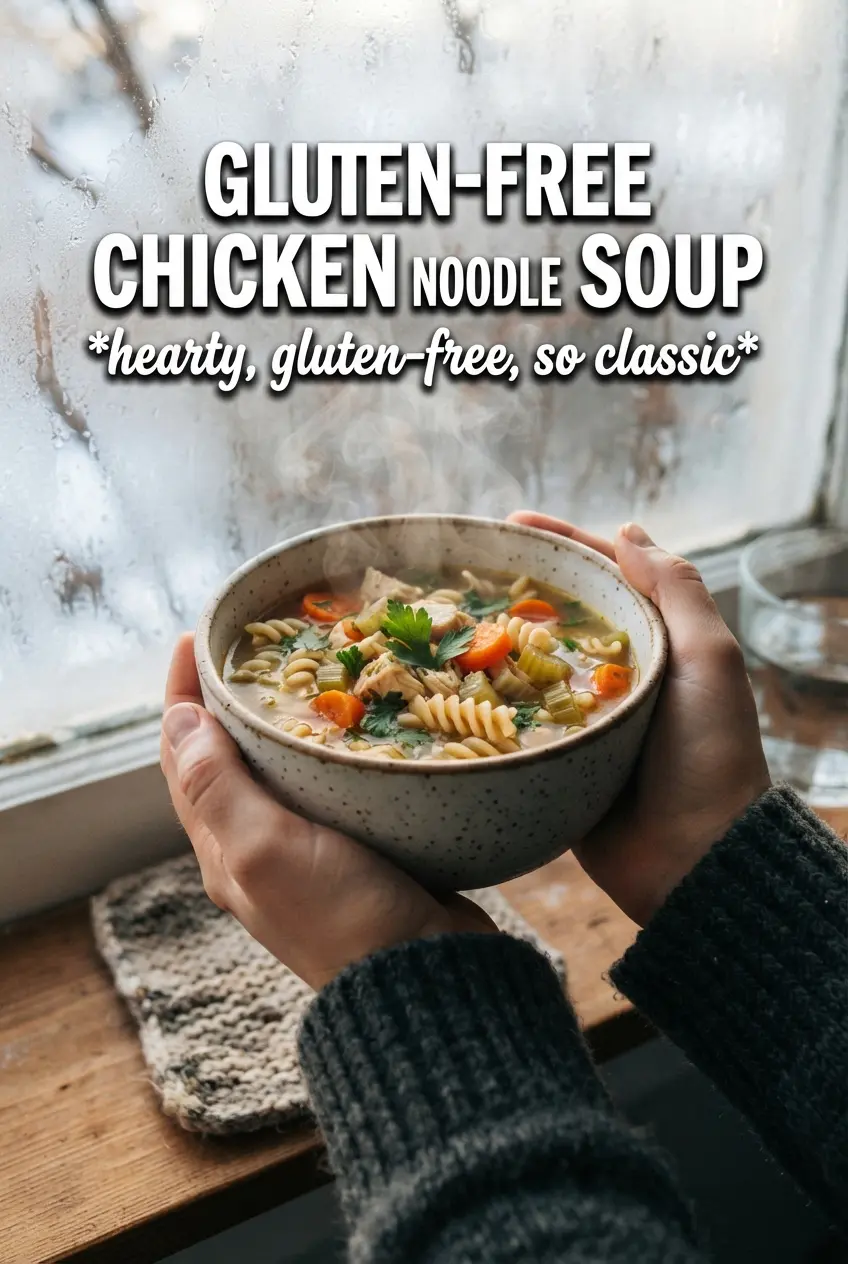
Gluten-Free Chicken Noodle Soup
Ingredients
Equipment
Method
- Heat olive oil in a large pot over medium heat, then add the onion, carrots, and celery. Sauté for 5 minutes, stirring occasionally, until the vegetables begin to soften and look glossy.
- Add the garlic and cook for 1 minute, stirring, until fragrant. Add the certified GF chicken broth, dried thyme, dried parsley, garlic powder, and chicken, then bring to a boil.
- Reduce to a simmer and cook for 18-20 minutes, until the chicken is cooked through. Use a visual cue: the broth will gently bubble and the chicken will look opaque with no pink in the center.
- Remove the chicken to a plate and shred it, then return the shredded chicken to the pot. Stir so the chicken distributes evenly through the broth.
- Add the gluten-free pasta and cook according to the package instructions, checking frequently. Gluten-free pasta can overcook fast, so stop when it is tender but still holds its shape.
- Season generously with salt and pepper to taste. Turn off the heat, garnish with fresh parsley, and serve hot while the broth is steaming.