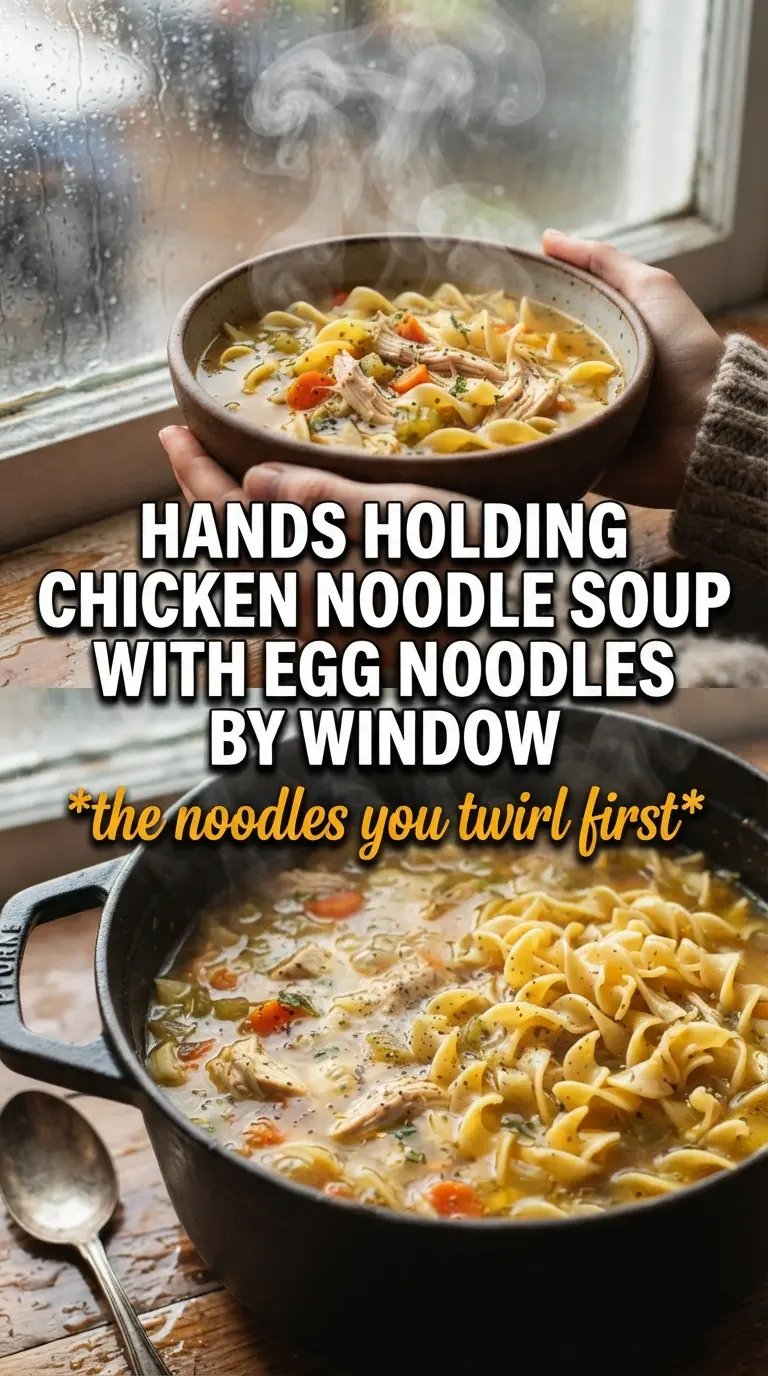
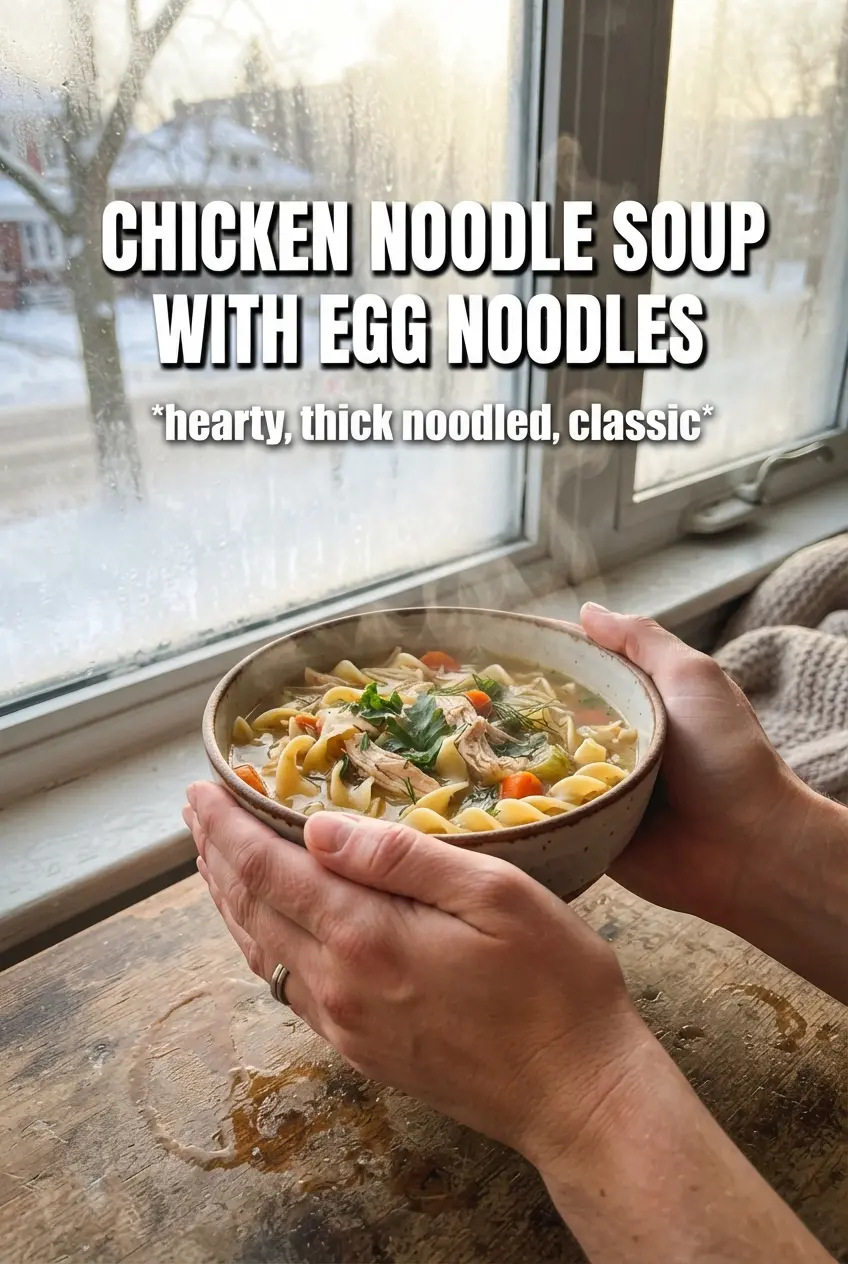
Chicken noodle soup gets its best texture when the broth stays clear, the vegetables hold a little bite, and the noodles cook just long enough to turn tender without going soft. Wide egg noodles are the right move here because they catch the broth and sit up better than thin noodles that can disappear into the pot. The result is a bowl that tastes like it was cooked with care, not rushed.
The trick is cooking the chicken in the broth instead of separately. That keeps the meat juicy and gives the soup more body without needing extra ingredients. I also add the noodles near the end, after the chicken is shredded, so they don’t soak up too much liquid and go bloated by the time dinner hits the table.
Below, you’ll find the timing that keeps the vegetables from turning to mush, the best moment to stir in the dill, and the small adjustment that helps this soup taste even better the next day.
The broth had so much flavor and the egg noodles stayed perfectly tender even after reheating the leftovers the next day. My kids asked for a second bowl, which never happens with soup.
Save this chicken noodle soup with egg noodles for the days when you want a clear, savory broth and tender noodles that hold their shape.
The Trick to Keeping Egg Noodles Tender Instead of Blown Out
Egg noodles are the part of chicken soup most people overcook. They go in, the pot keeps bubbling, and by the time the soup reaches the table they’ve swollen past the point of comfort. The fix is simple: cook the chicken first, shred it, then add the noodles at the very end and watch them closely. They only need 7 to 8 minutes, and they’re done when they’re soft but still have a little spring in the center.
Another place this soup goes wrong is heat. Once the noodles are in, a hard boil will rough them up and make the broth cloudy. Keep the simmer gentle and you’ll get a cleaner broth with noodles that stay intact.
- Chicken breast — Boneless chicken breast keeps this soup lean and shreds easily once it’s cooked through. If you want a richer result, chicken thighs work too, but they’ll give you a slightly darker broth and a softer texture.
- Wide egg noodles — These are worth using here. Their width helps them stay pleasantly chewy instead of slipping into the background, and they hold up better than thin pasta in a broth-based soup.
- Fresh dill — Stir it in at the very end so it stays bright and fragrant. Dried dill can work in a pinch, but it won’t give you the same clean finish.
- Chicken broth — A broth you actually like the taste of matters here because there isn’t much to hide behind. If your broth is low in flavor, add a little extra salt at the end rather than trying to force it with more garlic powder.
What Each Ingredient Is Actually Doing in This Recipe
- Primary ingredient (the star) — Quality matters most. Choose the best you can find.
- Cooking medium (oil, butter, or broth) — This carries flavors and prevents dryness.
- Seasonings (salt, pepper, spices, herbs) — Layer flavors so nothing overpowers. Build depth gradually.
- Aromatics (garlic, onion, herbs) — Cook with fat to bloom flavors. Become the foundation.
- Supporting ingredients — Complement the main ingredient without overpowering it.
- Sauce or liquid (if applicable) — Brings flavors together. Balance richness with acid.
- Acid (lemon, vinegar, wine, or other) — Brightens and prevents flat-tasting results.
- Final finish (garnish, glaze, or sauce) — Prevents one-dimensional taste and adds visual appeal.
Building the Soup in the Right Order
Softening the vegetables first
Start by heating the olive oil and cooking the onion, carrots, and celery until the onions turn translucent and the edges of the vegetables look glossy, about 5 minutes. You’re not trying to brown them; you’re building a sweet, savory base that will flavor the broth from the start. If the vegetables are still crunchy when the broth goes in, they’ll never fully catch up.
Poaching the chicken in the broth
Add the garlic for just a minute, then pour in the broth and seasonings before the chicken goes in. Bring it up to a boil once, then drop it to a simmer so the chicken cooks gently and stays juicy. A hard boil here can make the meat stringy and dry around the edges before the center is done.
Shredding and finishing with noodles
Pull the chicken out when it’s cooked through, shred it with two forks, and return it to the pot. Bring the soup back to a boil only when you’re ready to add the noodles, then lower the heat as soon as they go in so they cook evenly. Stir in the dill after the noodles are tender, then taste and season with salt and pepper until the broth tastes complete.
Use chicken thighs for a deeper broth
Swap the chicken breast for boneless skinless thighs if you want a richer soup with more savory depth. The meat will stay extra tender, though the broth will look a little darker and the finished soup will feel slightly heavier.
Make it gluten-free with rice noodles
Use gluten-free rice noodles instead of egg noodles if you need a gluten-free version. Add them at the very end and watch the pot closely, because they soften faster and can go from tender to mushy in a minute or two.
Add lemon for a brighter finish
A small squeeze of lemon at the end lifts the broth and makes the dill taste even fresher. Add it off the heat so the soup stays balanced instead of turning sharp.
Storage and Reheating
- Refrigerator: 4 days. The noodles will keep soaking up broth, so expect the soup to thicken a bit.
- Freezer: It freezes well if you freeze the soup without the noodles. Add fresh noodles after reheating for the best texture.
- Reheating: Warm it gently on the stove over medium-low heat until steaming. If the soup is already thick, add a splash of broth or water before heating so the noodles don’t tighten up and turn soft in patches.
Answers to the Questions Worth Asking
Chicken Noodle Soup With Egg Noodles
Ingredients
Equipment
Method
- Heat the olive oil in a large Dutch oven over medium heat, then sauté the onion, carrots, and celery for 5 minutes, until the onion turns translucent and the vegetables soften slightly.
- Add the garlic and cook for 1 minute, stirring constantly so it stays fragrant but doesn’t brown.
- Pour in the chicken broth and stir in dried thyme, dried parsley, garlic powder, and the chicken breast.
- Bring the soup to a boil, then reduce to a simmer and cook for 18-20 minutes until the chicken is cooked through.
- Remove the chicken from the pot and shred it, then return the shredded chicken to the soup.
- Bring the soup back to a boil, add the wide egg noodles, and cook for 7-8 minutes until tender but not mushy.
- Stir in the fresh dill and season generously with salt and pepper to taste.