Clear broth, tender chicken, and slippery noodles make Chinese chicken noodle soup the kind of bowl that settles everything down without feeling heavy. The broth stays light but still tastes full because the ginger, garlic, soy sauce, and sesame oil are built in early, then the chicken and mushrooms simmer long enough to give the soup depth without turning it cloudy or dull.
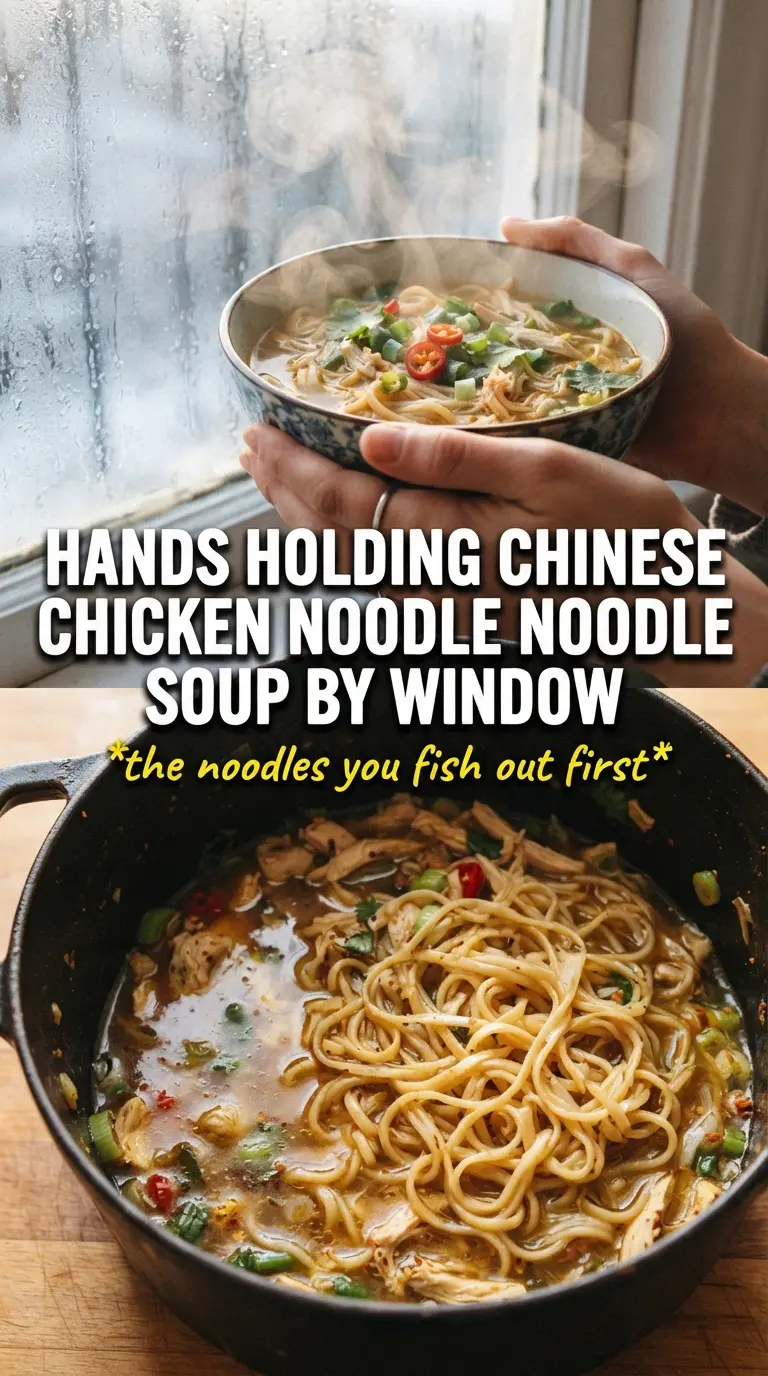
The trick here is keeping the noodles separate until serving. That keeps them from soaking up all the broth and going soft in the pot, which is the fastest way to turn a bright noodle soup into a thick, starchy one. Bok choy goes in at the end for a clean green bite, and a little white pepper gives the broth that quiet heat you notice after the spoon is down.
The broth came out so clear and fragrant, and the noodles stayed firm because I kept them separate like you said. My husband went back for a second bowl and asked if I could make it again next week.
Save this Chinese chicken noodle soup for the nights when you want a clear, gingery broth with tender noodles and almost no cleanup.
The Reason This Broth Stays Clear Instead of Turning Heavy
Cloudy noodle soup usually comes from boiling too hard or crowding the pot with too many starches at once. Here, the broth stays at a steady simmer, which is hot enough to cook the chicken and vegetables but gentle enough to keep the soup clean-tasting and bright. The noodles are cooked separately for the same reason. That one choice keeps the broth from getting muddy and helps every bowl taste like the first one.
Another small but important detail is the order of the seasonings. Ginger and garlic go in early so they can perfume the broth, while sesame oil and rice vinegar go in before the chicken finishes so they have time to round out the soup instead of sitting on top as a last-minute finish. White pepper is different from black pepper here; it gives a sharper, more direct warmth that fits the broth better.
- Chicken breast — Thin slicing is what keeps it tender. If the pieces are thick, they can go stringy before the broth has a chance to pick up much flavor. Chicken thighs work too if you want a richer bowl; they stay juicy even if the simmer runs a minute long.
- Thin Chinese wheat noodles or rice noodles — Use what you like best, but cook them separately either way. Wheat noodles give you more chew, while rice noodles keep the soup lighter and softer. If you swap in dried ramen-style noodles, use only the noodle packet and skip any seasoning.
- Bok choy and shiitake mushrooms — Bok choy brings crunch at the stem and softness in the leaves, which keeps the soup from feeling one-note. Shiitakes add a deeper savory note than button mushrooms ever will. If shiitakes are hard to find, cremini mushrooms work, but the broth will taste a little less earthy.
- Ginger, garlic, soy sauce, sesame oil, and rice vinegar — This is the backbone of the soup. Fresh ginger matters here because dried ginger won’t give the same clean heat. Sesame oil should be toasted if you have it, but use a light hand because too much can take over the whole bowl.
What Each Ingredient Is Actually Doing in This Recipe
- Primary ingredient (the star) — Quality matters most. Choose the best you can find.
- Cooking medium (oil, butter, or broth) — This carries flavors and prevents dryness.
- Seasonings (salt, pepper, spices, herbs) — Layer flavors so nothing overpowers. Build depth gradually.
- Aromatics (garlic, onion, herbs) — Cook with fat to bloom flavors. Become the foundation.
- Supporting ingredients — Complement the main ingredient without overpowering it.
- Sauce or liquid (if applicable) — Brings flavors together. Balance richness with acid.
- Acid (lemon, vinegar, wine, or other) — Brightens and prevents flat-tasting results.
- Final finish (garnish, glaze, or sauce) — Prevents one-dimensional taste and adds visual appeal.
The 20 Minutes That Matter Most
Building the Broth
Bring the broth to a steady simmer, not a rolling boil. Add the garlic and ginger and let them cook for about five minutes so the broth takes on their aroma without losing too much volume. If you rush this part on high heat, the garlic can turn harsh and the broth starts to taste flat instead of layered.
Seasoning Before the Chicken Goes In
Stir in the soy sauce, sesame oil, and rice vinegar before adding the chicken. That gives the broth a chance to taste seasoned all the way through instead of relying on a garnish at the end. Taste it now; if it seems a little shy, it probably needs salt, not more soy sauce, because soy can push the broth too dark and salty if you keep chasing flavor with it.
Cooking the Chicken and Mushrooms
Add the sliced chicken and mushrooms and keep the simmer gentle for 10 to 12 minutes. The chicken should turn opaque and just firm to the touch; if it curls hard or looks dry at the edges, the heat is too high. The mushrooms will shrink and darken, which is exactly what you want because that means they’ve given up some of their flavor to the broth.
Finishing With Noodles and Greens
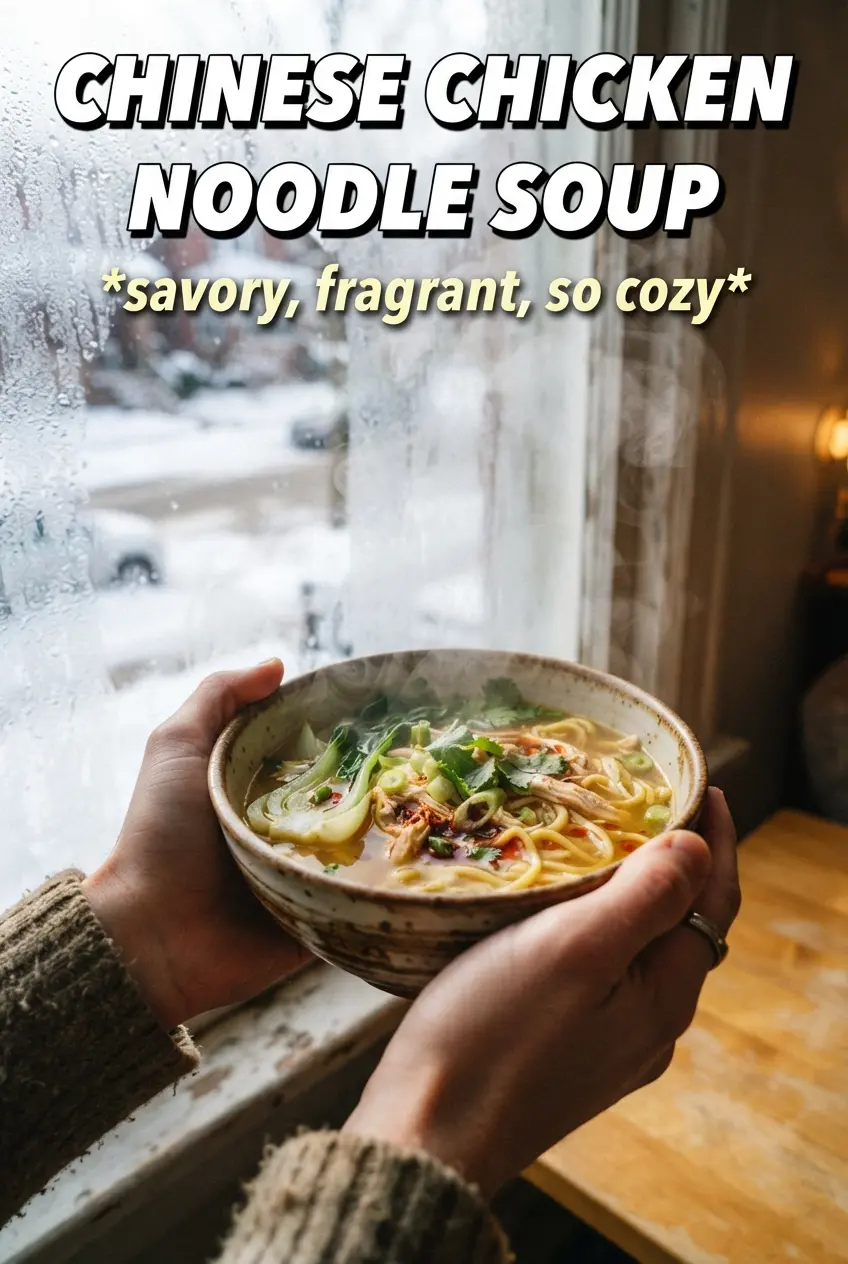
Cook the noodles separately, drain them well, and divide them between bowls. Add the bok choy to the broth for the last three minutes so the stems soften slightly but the leaves still stay vivid. Ladle the hot broth over the noodles, then finish with white pepper, salt, green onions, cilantro, and a small drizzle of chili oil. If the bok choy goes in too early, it turns dull and limp; the last few minutes are enough.
Three Ways to Make This Soup Fit Your Table
Gluten-Free Version With Rice Noodles
Use rice noodles and swap the soy sauce for tamari or a certified gluten-free soy sauce. The broth stays just as savory, but the noodles come out softer and a little more delicate. Keep the noodles separate, because rice noodles absorb broth fast and can turn gummy if they sit in the pot.
Chicken Thighs for a Richer Bowl
Boneless chicken thighs work well if you want a fuller, slightly richer soup. They stay juicy even if the simmer runs long, and they add a little more body to the broth. Slice them thin so they cook through in the same window as the mushrooms.
Vegetable-Forward Bowl Without the Chicken
Leave out the chicken and add extra mushrooms plus cubed tofu or edamame for protein. The broth will be lighter, so taste it after the vegetables go in and add a touch more soy sauce or a pinch of salt. This version leans more on ginger, garlic, and sesame oil, so don’t hold back on those.
Storage and Reheating
- Refrigerator: Store the broth, chicken, and vegetables separately from the noodles for up to 4 days. The bok choy softens a bit in the fridge, but the flavor holds well.
- Freezer: The broth and chicken freeze well for up to 3 months. Freeze without the noodles and bok choy for the best texture, then add fresh noodles and greens when you reheat.
- Reheating: Reheat the broth gently on the stove until steaming, not boiling hard. If you boil it, the chicken can tighten up and the broth loses its clean taste. Add fresh or separately stored noodles at the end so they don’t swell apart.
Answers to the Questions Worth Asking
Chinese Chicken Noodle Soup
Ingredients
Equipment
Method
- Bring the chicken broth to a simmer in a large pot over medium-high heat, then stir in the minced garlic and grated ginger. Cook for 5 minutes, keeping it at a gentle simmer with occasional bubbles.
- Stir in the soy sauce, sesame oil, and rice vinegar. Simmer briefly until warmed through, then adjust the seasoning to taste.
- Add the sliced chicken and sliced shiitake mushrooms to the simmering broth. Simmer for 10-12 minutes, until the chicken is cooked through and the mushrooms are tender.
- Cook the thin Chinese noodles separately according to the package directions, then drain them. Divide the noodles into bowls.
- Add the chopped bok choy to the broth and cook for 3 minutes, until wilted. Keep the broth at a steady simmer so the greens soften but stay bright.
- Ladle the hot soup over the noodles. Season with white pepper and salt to taste.
- Top each bowl with sliced green onions, cilantro, and a drizzle of chili oil. Serve right away while the broth is hot.